
We Have the Best Organic Products
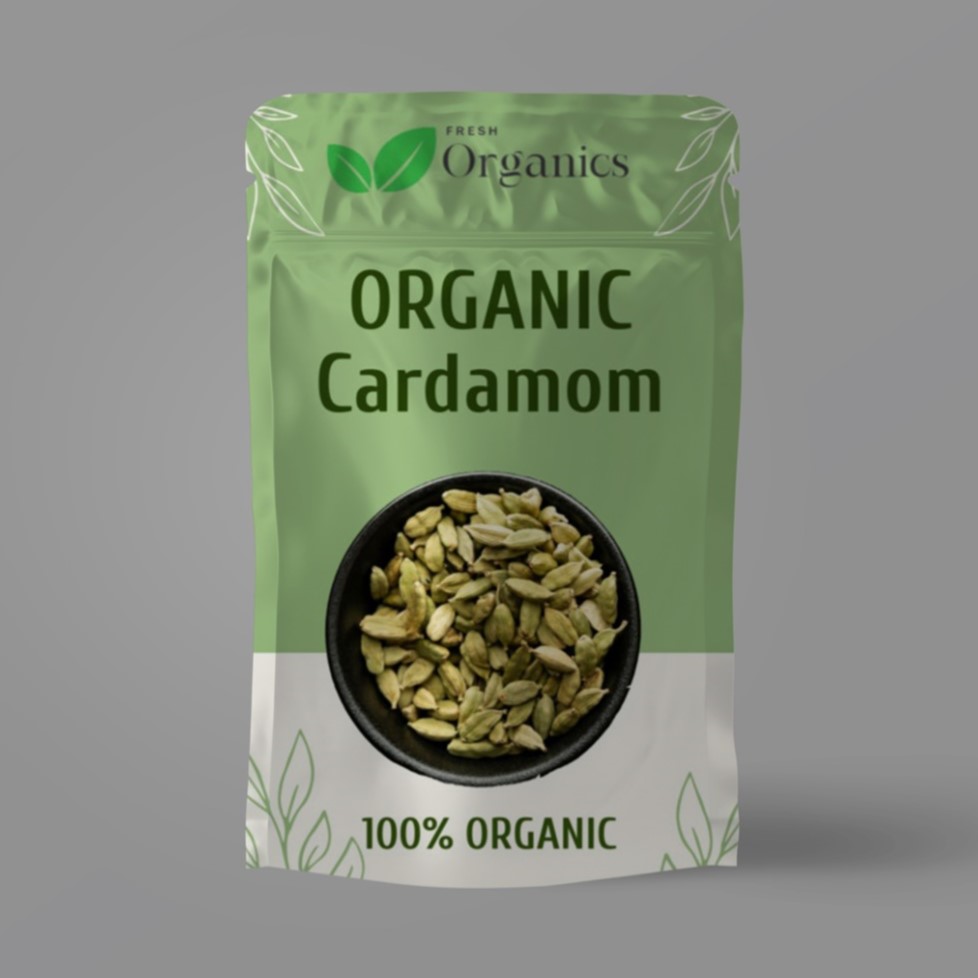
Organic Cardamom
Organic Cardamom: A Luxurious Spice with Exquisite Flavor and Health Benefits
Organic cardamom, known as the “queen of spices,” is an aromatic and highly prized spice used in both sweet and savory dishes across many cuisines. This flavorful spice comes from the seeds of plants belonging to the Elettaria and Amomum genera, both of which are native to the lush rainforests of India, Sri Lanka, and Southeast Asia. Cardamom is cherished for its unique, sweet, and citrusy flavor, making it a staple in Indian, Middle Eastern, and Scandinavian cooking. Grown organically without synthetic pesticides, fertilizers, or chemicals, organic cardamom offers pure, potent flavor and a wealth of health benefits.
Types of Organic Cardamom
There are two main varieties of cardamom: green cardamom (Elettaria cardamomum) and black cardamom (Amomum subulatum). Green cardamom is the most common and is known for its sweet, light, and floral flavor with hints of citrus and mint. It is often used in desserts, chai tea, and curries. Black cardamom, on the other hand, has a more smoky and earthy flavor with a slight menthol undertone. It is primarily used in savory dishes like meat stews and rice dishes.
Types of Organic Cardamom
There are two main varieties of cardamom: green cardamom (Elettaria cardamomum) and black cardamom (Amomum subulatum). Green cardamom is the most common and is known for its sweet, light, and floral flavor with hints of citrus and mint. It is often used in desserts, chai tea, and curries. Black cardamom, on the other hand, has a more smoky and earthy flavor with a slight menthol undertone. It is primarily used in savory dishes like meat stews and rice dishes.
Organic green cardamom is particularly favored in both culinary and medicinal applications because of its delicate aroma and taste, along with its therapeutic properties.
Culinary Uses of Organic Cardamom
Cardamom’s versatility makes it a beloved spice in kitchens worldwide. In Indian cuisine, it is a key ingredient in many spice blends like garam masala, and it’s frequently used in curries, biryanis, and desserts such as kheer and gulab jamun. Cardamom pods are also crushed and added to chai tea, infusing the drink with a warm, aromatic flavor.
In Middle Eastern cuisine, cardamom is used in both sweet and savory dishes. It can be found in coffee, spiced meats, and sweet pastries like baklava. Scandinavian bakers often include cardamom in breads and pastries like Swedish kardemummabullar, giving them a unique, spicy-sweet flavor.
For those looking to experiment with cardamom in the kitchen, it can be used to add depth to soups, sauces, marinades, and even cocktails. Its sweet and citrusy notes also complement fruits, such as oranges and apples, and enhance chocolate-based desserts.
Health Benefits of Organic Cardamom
In addition to its delightful flavor, organic cardamom offers numerous health benefits. It is rich in antioxidants, vitamins, and essential oils that support overall wellness.
One of the primary benefits of cardamom is its ability to aid digestion. The spice stimulates the secretion of digestive enzymes, helping to relieve indigestion, bloating, and gas. Cardamom is also known to soothe stomach cramps and nausea, making it an effective natural remedy for digestive discomfort.
Organic cardamom also has powerful anti-inflammatory properties, which can help reduce inflammation in the body and alleviate conditions like arthritis and muscle soreness. The essential oils found in cardamom, such as cineole, are known for their antibacterial and antiviral effects, making it a natural remedy for infections and respiratory conditions. Cardamom is often used to treat colds, coughs, and bronchitis, as it helps to clear congestion and improve breathing.
Furthermore, cardamom is believed to have positive effects on cardiovascular health. Its high antioxidant content can help reduce oxidative stress and lower blood pressure. Some studies have shown that cardamom may improve circulation and promote heart health by reducing cholesterol levels.
Additionally, cardamom is rich in compounds that support oral health. Its antibacterial properties help fight bad breath, and chewing on cardamom seeds is a traditional remedy for freshening breath after meals. The spice also promotes oral hygiene by preventing the growth of bacteria in the mouth.
How to Use and Store Organic Cardamom
To get the most out of organic cardamom, use the whole pods, as they contain the seeds that hold the spice’s flavor and nutrients. For cooking, lightly crush the pods to release the seeds, or use the seeds whole or ground, depending on the recipe. Cardamom should be added early in the cooking process for savory dishes, allowing its flavor to infuse fully, while it’s often added toward the end in desserts and beverages to preserve its delicate aroma.
To maintain its potency, organic cardamom should be stored in an airtight container away from light and moisture. Whole pods can last for over a year, while ground cardamom loses its flavor more quickly and is best used within a few months.
Conclusion
Organic cardamom is a luxurious spice that adds a sweet, citrusy flavor to dishes while offering a wide range of health benefits. Its antioxidant, digestive, and anti-inflammatory properties make it a valuable addition to any diet, and its versatility in both savory and sweet dishes ensures that it will always find a place in your kitchen. Whether you’re brewing a cup of chai, baking aromatic pastries, or spicing up a curry, organic cardamom will elevate your cooking with its delightful aroma and healthful properties.
Our Most Viewed Products

Cinnamom Stick
Cinnamon sticks, aromatic and sweet, are used in cooking and baking to enhance flavor and warmth.

Clove
Cloves, aromatic and pungent, are used in cooking and medicine to add warmth and depth to dishes.

Coriander Powder
Coriander powder, made from ground seeds, adds a warm, earthy flavor to curries, soups, and marinades.